
Insight – 06/10/2026
If your business needs a new brand identity, website, packaging or marketing collateral, one of the first decisions you’ll need to make is who to work with.
Should you hire a freelance graphic designer, work with a graphic design agency, or choose a smaller design studio?
There isn’t one right answer. A talented freelancer can be perfect for one project, while another may benefit from the broader strategic and creative expertise of an agency or studio.
The right choice depends on the scope of your project, the level of strategic input you need, your budget and how you prefer to work.
Here’s how the options compare.
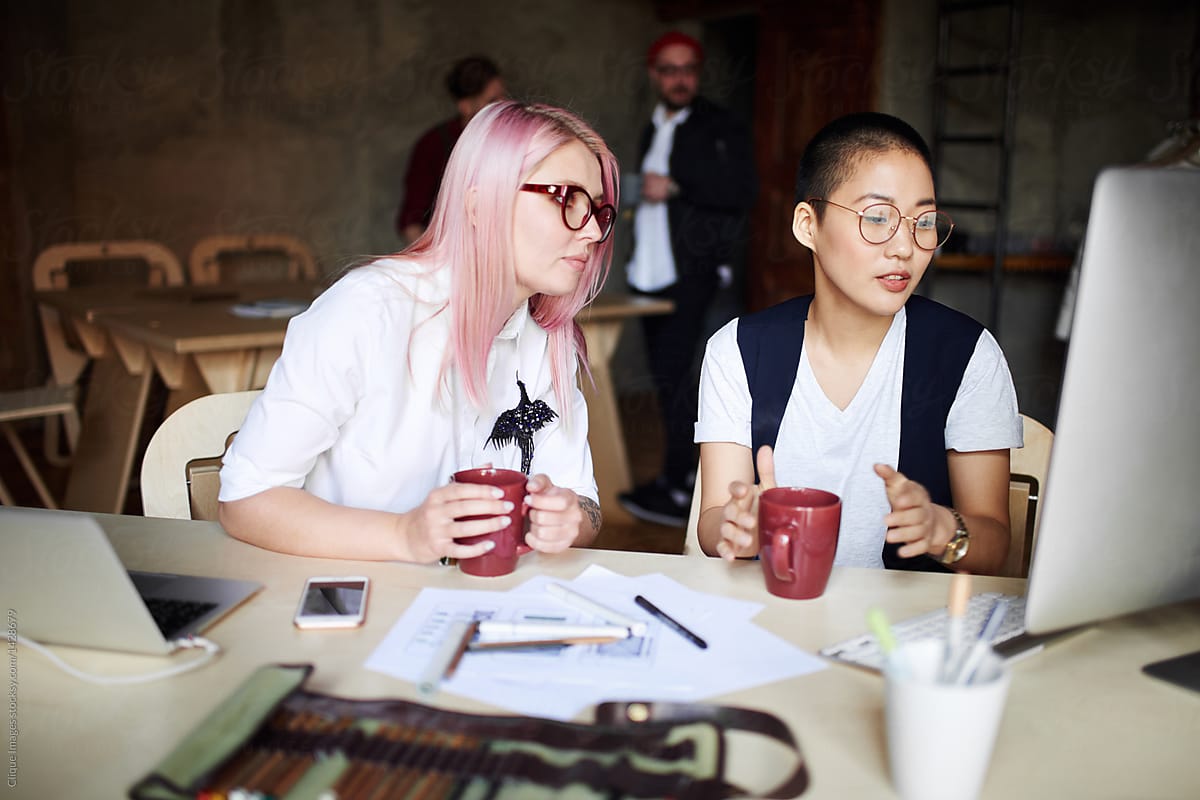
What is a freelance graphic designer?
A freelance graphic designer works independently rather than as an employee of a design agency.
Freelancers can range from graduates building their portfolios to highly experienced senior designers who have spent decades working within the creative industry.
Their services can vary considerably too. Some specialise in a particular area such as packaging, digital design or publications, while others provide a broad range of graphic design services.
Because you’re dealing directly with the designer, working with a freelancer can be straightforward and flexible — particularly for smaller, clearly defined projects.
What is a graphic design agency?
A graphic design agency is a business that provides professional design services to other businesses and organisations.
Depending on the agency, those services might include:
- Graphic design
- Brand strategy
- Brand identity and logo design
- Packaging design
- Website design
- Marketing collateral
- Publications and reports
- Advertising and campaigns
- Digital design
Larger graphic design agencies may have separate creative directors, designers, strategists, account managers and developers.
Larger graphic design agencies may have separate creative directors, designers, strategists, account managers and developers.
Smaller agencies and boutique graphic design studios often work differently, with clients having much more direct access to the senior designer or creative director actually responsible for the work.
That distinction can be important when deciding who is right for your business.
Freelancer vs graphic design agency: what’s the difference?
The biggest difference isn’t necessarily quality.
There are exceptional freelancers and mediocre agencies, just as there are exceptional agencies and inexperienced freelancers.
The real differences tend to be scope, expertise, process, capacity and how the relationship is structured.
1. The size and complexity of your project
For a relatively straightforward project — perhaps a flyer, advertisement or piece of existing-brand collateral — an experienced freelance graphic designer may be all you need.
Larger projects can be different.
If you’re developing a new brand, repositioning an existing business, creating a complete visual identity or designing a website, the project involves considerably more than producing an attractive piece of design.
It may require strategy, competitor research, information architecture, copywriting, art direction, web development or the creation of an entire visual system.
This is where working with a graphic design agency or multidisciplinary design studio can become valuable.
The question isn’t simply “Who can design this?”
It’s “What expertise does this project actually require?”
2. Strategic thinking
Graphic design is visual communication. The quality of the outcome depends heavily on understanding what needs to be communicated in the first place.
For a simple executional project, you may already have an established brand strategy, visual identity and clear brief. In that situation, a good freelancer can take those foundations and produce exactly what you need.
For a rebrand or new business, however, the brief itself may need to be developed.
Who is the audience? How should the business be positioned? What makes it different? What should customers understand or feel? How does it need to compete within its market?
A brand-focused graphic design agency will usually spend more time defining these questions before beginning the creative work.
That strategic foundation becomes particularly important when you’re making decisions that your business may live with for years.
3. Breadth of services
A freelancer will often have a core area of expertise.
That isn’t a disadvantage. In fact, if you need a very specific skill, a specialist freelancer can be an excellent choice.
The difference is that businesses undergoing a larger change often need several interconnected services.
A rebrand, for example, could involve:
Brand strategy → brand identity → graphic design → packaging → website → ongoing brand applications.
Having these elements developed together can create a much more cohesive result.
A graphic design agency or studio offering several of those capabilities can maintain the same thinking and creative direction throughout the project rather than requiring the business to coordinate several separate suppliers.
4. Who actually works on your project?
This is one area where it’s worth looking beyond the labels freelancer and agency.
With a freelancer, the answer is obvious: the person you meet is usually the person doing the work.
At a larger agency, you may initially meet a creative director or senior team, while much of the day-to-day work is handled by other designers and account managers.
A boutique design studio can sit somewhere between the two.
You can get the broader thinking, structured process and capabilities associated with an agency while still working directly with an experienced senior designer.
So when you’re comparing designers or agencies, ask:
Who will actually be designing my project?
It’s often a more useful question than how many people work at the company.
5. Communication and collaboration
Both freelancers and agencies can provide excellent communication, but the experience can be different.
Working with a freelancer is usually very direct. You’re speaking to the person doing the work, which can make feedback and decision-making simple.
Large agencies often use account or project managers as the main client contact. This can be valuable on complex projects involving many people, deadlines and deliverables.
Smaller studios can provide another model: direct access to the designer combined with a more established strategic and project process.
Think about which relationship suits your business.
Some clients want a large team and substantial agency infrastructure. Others would rather know exactly who is responsible for their work and communicate with that person directly.
6. Cost: is a freelancer cheaper than a graphic design agency?
Generally, freelancers have lower overheads than large agencies, so their rates can be lower.
But comparing an hourly rate doesn’t necessarily tell you what a project will cost — or what you’re getting for the money.
An experienced senior freelancer may charge considerably more than a junior agency designer. A boutique studio may cost less than a large agency while providing more senior involvement. And two quotes that appear to cover the same project may include very different levels of strategy, research, concept development and implementation.
For businesses comparing quotes, look beyond the final number.
Consider what is included, who is doing the work, how much experience they have and the depth of the process behind the design.
We’ve covered this in more detail in our guide to graphic design costs in New Zealand.
7. Capacity and ongoing support
Agencies generally have greater capacity because work can be distributed across several people.
That can be useful for businesses with a high volume of ongoing design requirements or several projects running simultaneously.
But bigger doesn’t automatically mean faster.
Smaller studios and freelancers can often be highly responsive because there are fewer layers between the client and designer.
For ongoing work, the important consideration is whether your designer or agency understands your brand and has the capacity to support the amount of work you’re likely to need.
Is a freelance graphic designer right for your business?
A freelancer could be an excellent fit if:
- You have a clearly defined, relatively contained project
- Your existing brand strategy and identity are already established
- You need a specialist skill
- You prefer working directly with an individual designer
- Your project doesn’t require several interconnected creative disciplines
- Budget is a significant consideration
For many businesses, a good freelancer can provide excellent design without the structure or overhead of an agency.
When does a graphic design agency make more sense?
A graphic design agency or studio may be a better choice if:
- You’re launching a new business or brand
- You’re undertaking a significant rebrand
- You need strategic input as well as design
- Your project involves multiple deliverables
- You need branding and website design to work together
- Your existing brand has become inconsistent
- You’re repositioning the business or trying to reach a different market
- You need ongoing creative support across several areas
At this point, you’re often solving a broader business and communication problem, rather than simply commissioning an individual design item.
What about a boutique graphic design studio?
There’s also a third option that sits between an individual freelancer and a large traditional agency.
A boutique graphic design studio can provide the strategic thinking and breadth of expertise associated with an agency while maintaining the direct relationship you’d normally associate with a freelancer.
For small and growing businesses, that can be particularly useful.
You may not need an account manager, multiple layers of staff and the overheads associated with a large agency. But you may still need an experienced designer capable of thinking beyond an individual logo, brochure or website.
The important distinction isn’t the size of the studio.
It’s the level of expertise you’re getting and whether that expertise matches the problem your business needs to solve.
How to choose between a freelancer and graphic design agency
Before choosing, look at more than the portfolio.
Good design work is obviously important, but also consider the designer or agency’s experience, process and approach.
Ask yourself:
Do they understand businesses like mine?
They don’t necessarily need experience in your exact industry, but they should demonstrate an ability to understand audiences, positioning and commercial objectives.
Does their portfolio show consistency?
Look for strong thinking across multiple projects rather than one or two impressive pieces.
Do they offer the expertise my project needs?
A branding project requires different thinking from designing a brochure within an existing identity.
Who will actually work on my project?
Find out whether you’ll work with the person whose experience and portfolio persuaded you to make contact.
Can the relationship grow with the business?
If you’re investing in a new identity, it can be valuable to work with someone who can later apply it across your website, packaging, marketing collateral and other touchpoints.
And perhaps most importantly:
Do they ask good questions before they start designing?
The quality of the questions at the beginning of a project often tells you a great deal about the quality of thinking that will follow.
Freelancer, graphic design agency or boutique studio?
Ultimately, there is no universally better option.
For a straightforward design task, a good freelancer may be the most efficient choice.
For a large organisation or complex multidisciplinary project, a larger agency may provide the resources and infrastructure required.
And for a small or growing business that wants senior creative and strategic expertise without the layers of a large agency, a boutique graphic design studio can offer a useful middle ground.
Studio Nine is an Auckland-based graphic design and branding studio working with businesses throughout New Zealand.
Clients work directly with the owner and senior designer across brand strategy, brand identity, graphic design and custom website design — providing the experience and creative thinking of an established agency within a more personal, collaborative studio model.
The goal isn’t to choose the biggest agency or the cheapest designer.
It’s to choose the right level of expertise for the business you’re trying to build.